PROCURECULTURE
People & Culture · Founding Buyer
An independent buyer’s perspective
People & Culture
The founding buyerBefore theRulebook.
John Hirsch sold ads to dispensaries, grew in an Oakland apartment, bought for some of the Bay Area’s earliest legal shops and ran his own delivery company for nearly a decade. Now he buys in Illinois, and ProcureCulture is where he shows his work.
A note on this piece: its subject is ProcureCulture’s founder. Dates and claims were checked against public records, published sources and archival documents wherever they exist. Quotes come from his written answers and a recorded 2025 panel.
The photo
Happy 2014.
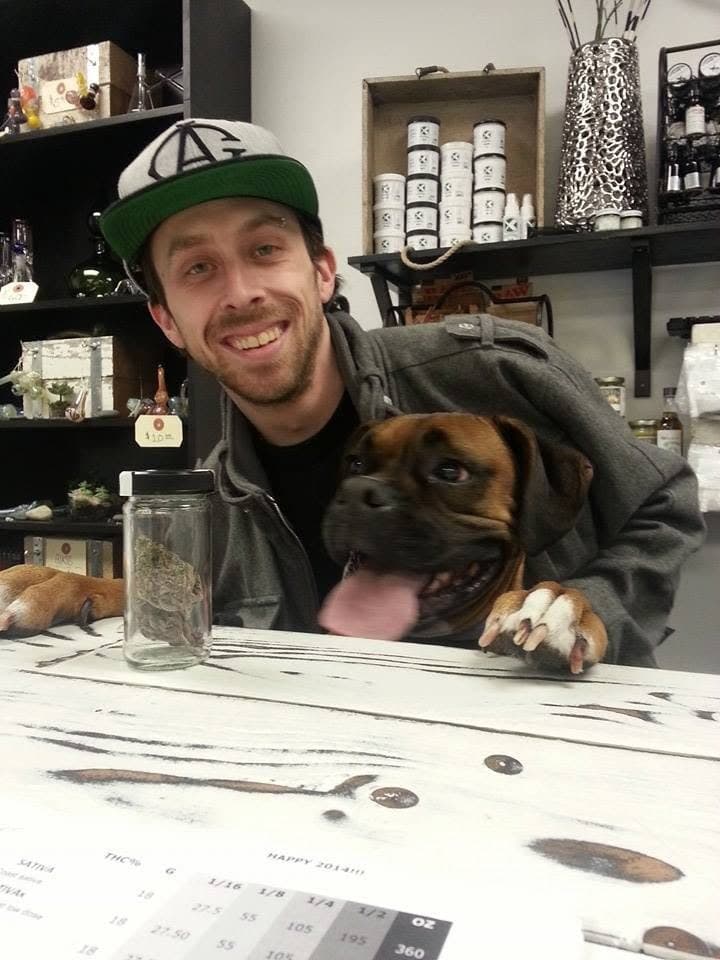
Around New Year’s 2014, somebody took a picture behind the counter at Phytologie Wellness. A young buyer in a snapback grins at the camera while Tyson, the shop’s boxer, leans across the counter beside him. A single jar sits on the counter. In front of it is the price sheet, and across the top someone has typed “HAPPY 2014!!!” An eighth is $55. An ounce is $360.
That buyer is John Hirsch, and by then he had been in cannabis for almost a decade. He is Illinois born and raised. California is where he learned the trade.
2005 to 2008
Selling to the shops.
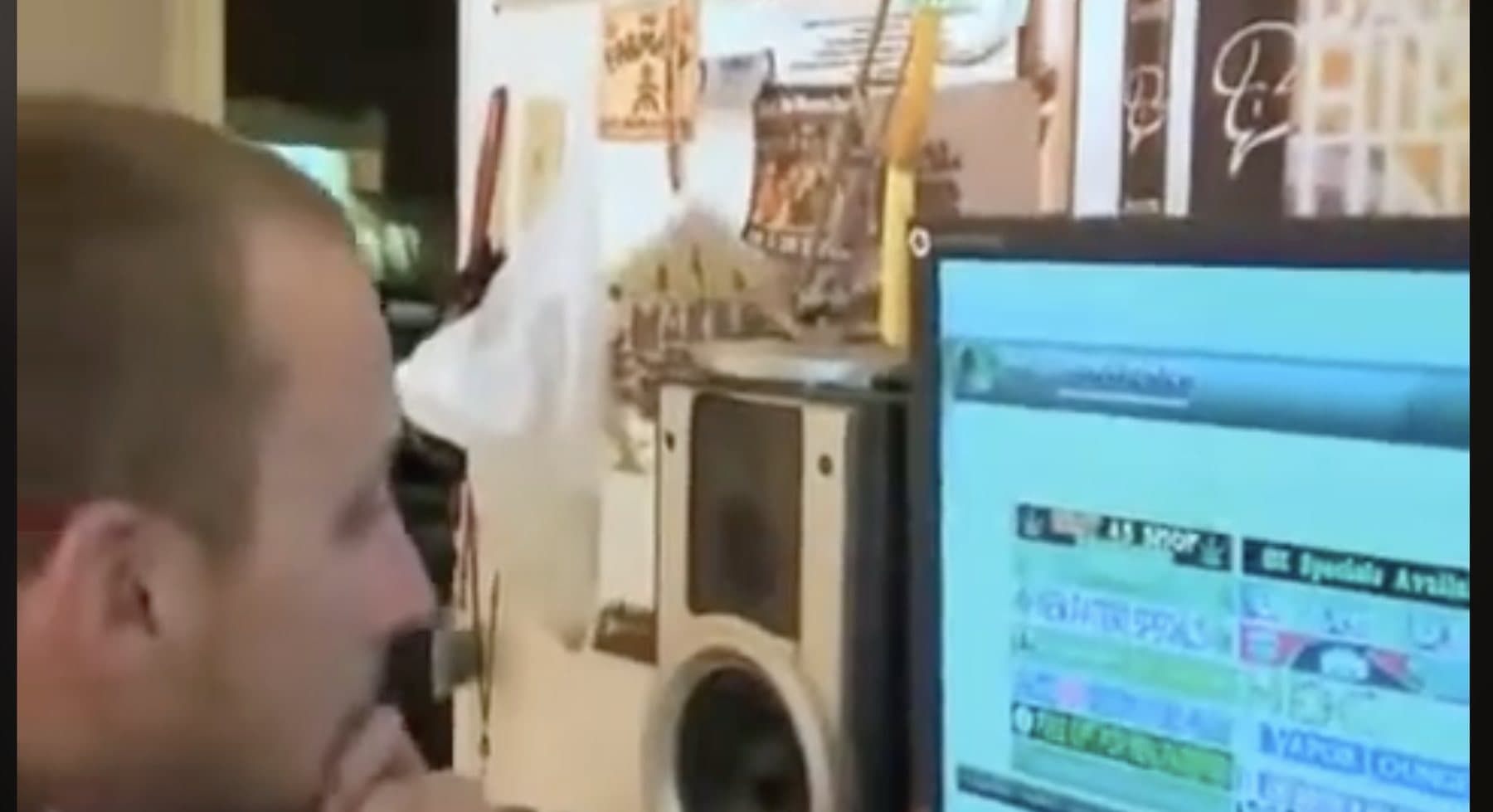
His first cannabis job wasn’t buying it. From 2005 to 2008, Hirsch sold ads and directory listings for Weedtracker, the Southern California forum that LA Weekly called “the best known of the medical-marijuana forums” in 2007. Dispensaries used it to post menus and daily specials years before Weedmaps.
Weedtracker’s founder, Jon Furry, was the first of the people Hirsch counts as mentors.
“It was a very different business back then,” he says. “There weren’t nearly as many systems, dashboards, analytics platforms, or corporate structures around cannabis. A lot of the business came down to relationships, knowing the product, knowing your customers, and understanding what people were actually looking for.”
“There was also a different kind of connection between the people growing cannabis, the people selling it, and the patients using it. You had to build trust because there wasn’t this giant infrastructure around the industry telling everyone what was good.”
2008 to 2013
Learning to buy.
In 2008 he crossed to the other side of the counter as an assistant buyer at Harborside in Oakland. From there he bought full time for Cannabis Buyers Club Berkeley from 2010 to 2012, then for Phytologie Wellness from 2012 to 2013.
He had teachers. At Harborside it was Rick Pfrommer, who helped found the dispensary in 2006 and ran its purchasing before moving into education there (his Cannabis Now bio covers the rest). Pfrommer, Hirsch says, taught him how to actually spot good cannabis and how to negotiate. At CBCB his mentor was Deborah Sadler, and under her direction, he says, he became the first buyer in Berkeley to carry wax and shatter. Aundre Speciale, the founder behind both CBCB and Phytologie Wellness, is on the list too.
So is someone who never held a buying title. Hirsch also credits Craig, a budtender at the Love Shack in San Francisco.
“I didn’t learn cannabis purchasing from a textbook or some formal procurement program,” he says. “I learned it by doing it. You put money into inventory, see what customers respond to, see what sits, figure out why, and make the next decision better.”
Over time, he says, the job stopped being about individual products and became about the whole assortment. What’s missing? Where is the menu too heavy? Which price points are covered? Which products are tying up cash?
Buying isn’t really about picking products. It’s about allocating limited shelf space and limited dollars.
John Hirsch
The grower
Asleep on the floor, lights on.
He was growing, too. At one point the grow filled a tiny Oakland apartment, and Hirsch slept on the floor with the lights on.
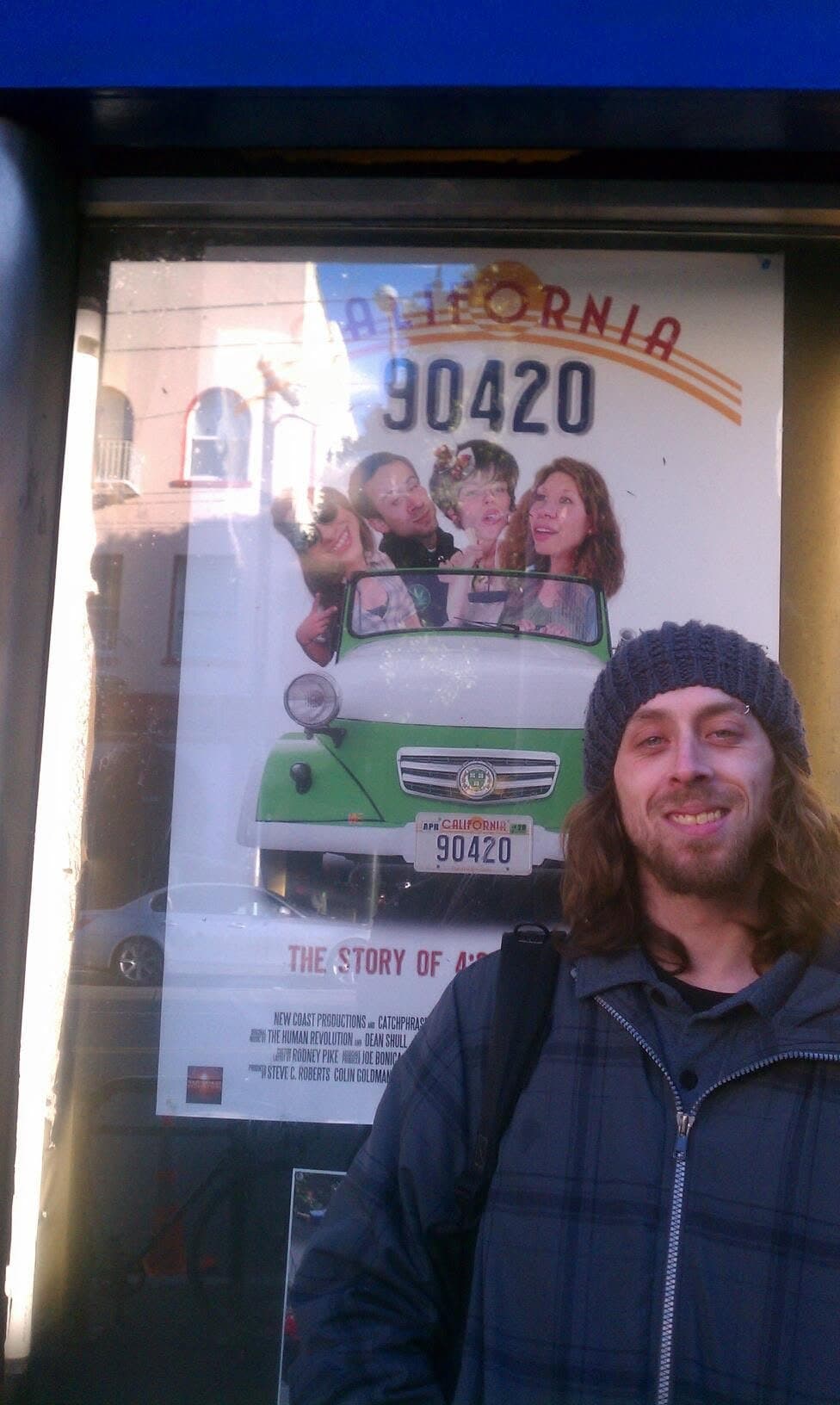
The filmmakers behind California, 90420 caught one of those harvests on camera. The 2012 documentary followed four young Californians through the state’s half-legal cannabis culture during the Prop 19 campaign, and Hirsch was one of them: “a green-thumbed Dubstep DJ,” credited as Johnny 5, sharing the film with Oaksterdam University’s Dale Sky Jones and Richard Lee and grow author Ed Rosenthal. The producers released his harvest as a standalone scene, “Johnny’s Harvest,” ahead of the premiere.
On April 20, 2012, the film screened at a California NORML film festival at Oaksterdam University in Oakland, and Hirsch was in the room. SF IndieFest called it “possibly the most honest marijuana film out there.”
“Johnny’s Harvest” · California, 90420
Oakland, c. 2011 · Video stills

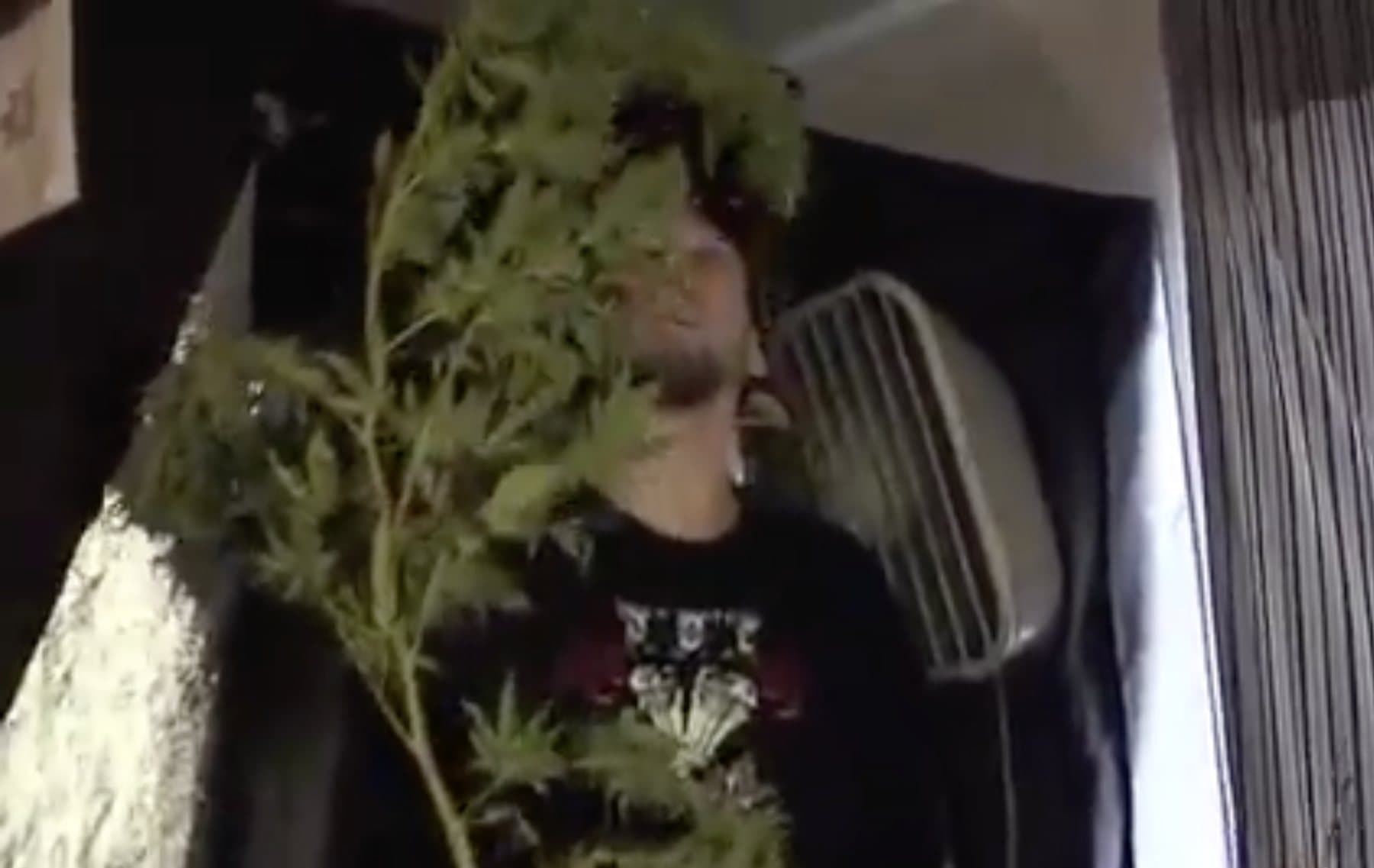
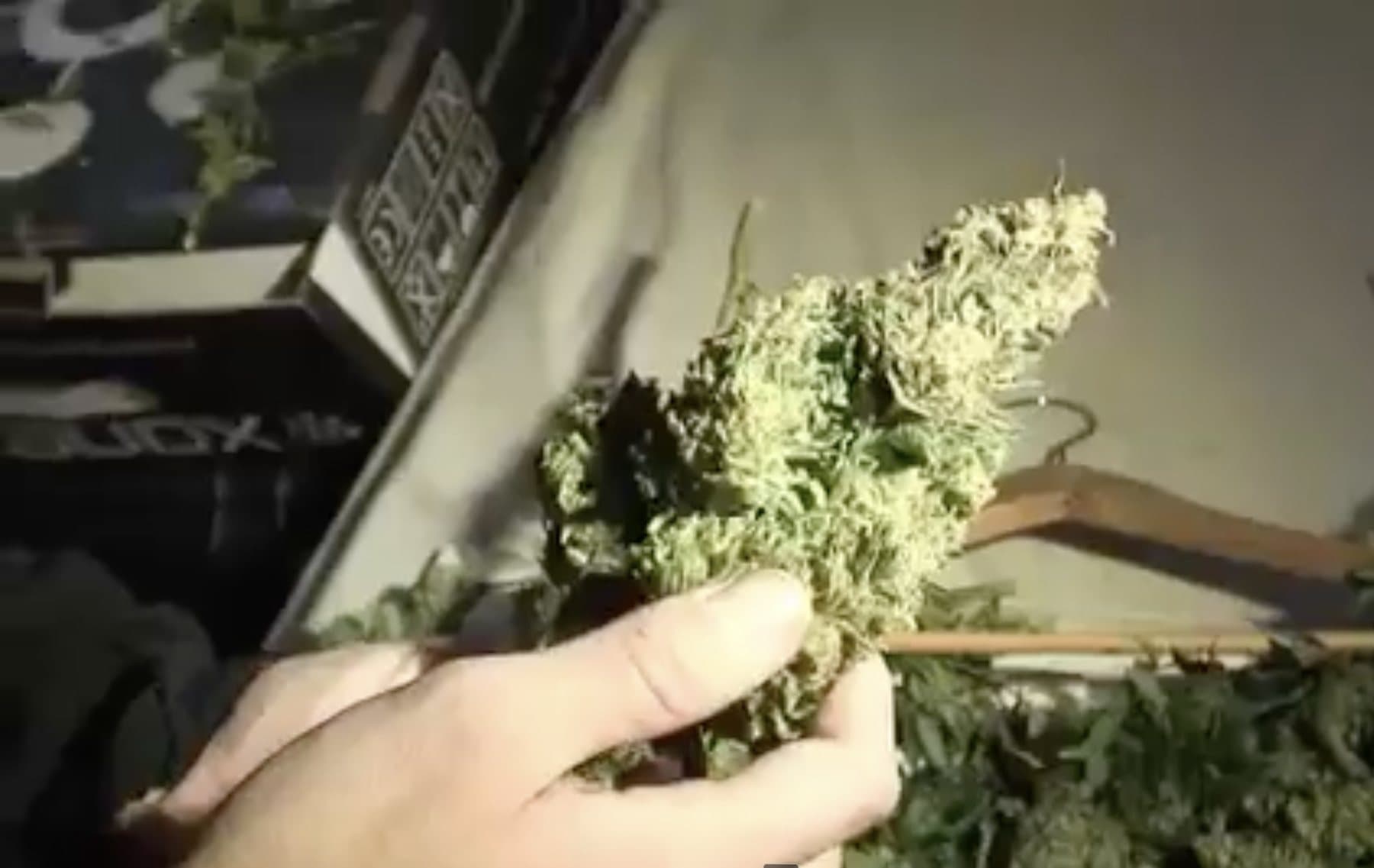
Hirsch’s Oakland apartment grow. Stills from California, 90420 (2012), dir. Dean Shull. Courtesy the filmmakers and John Hirsch.
2013 to 2022
Irie Care.
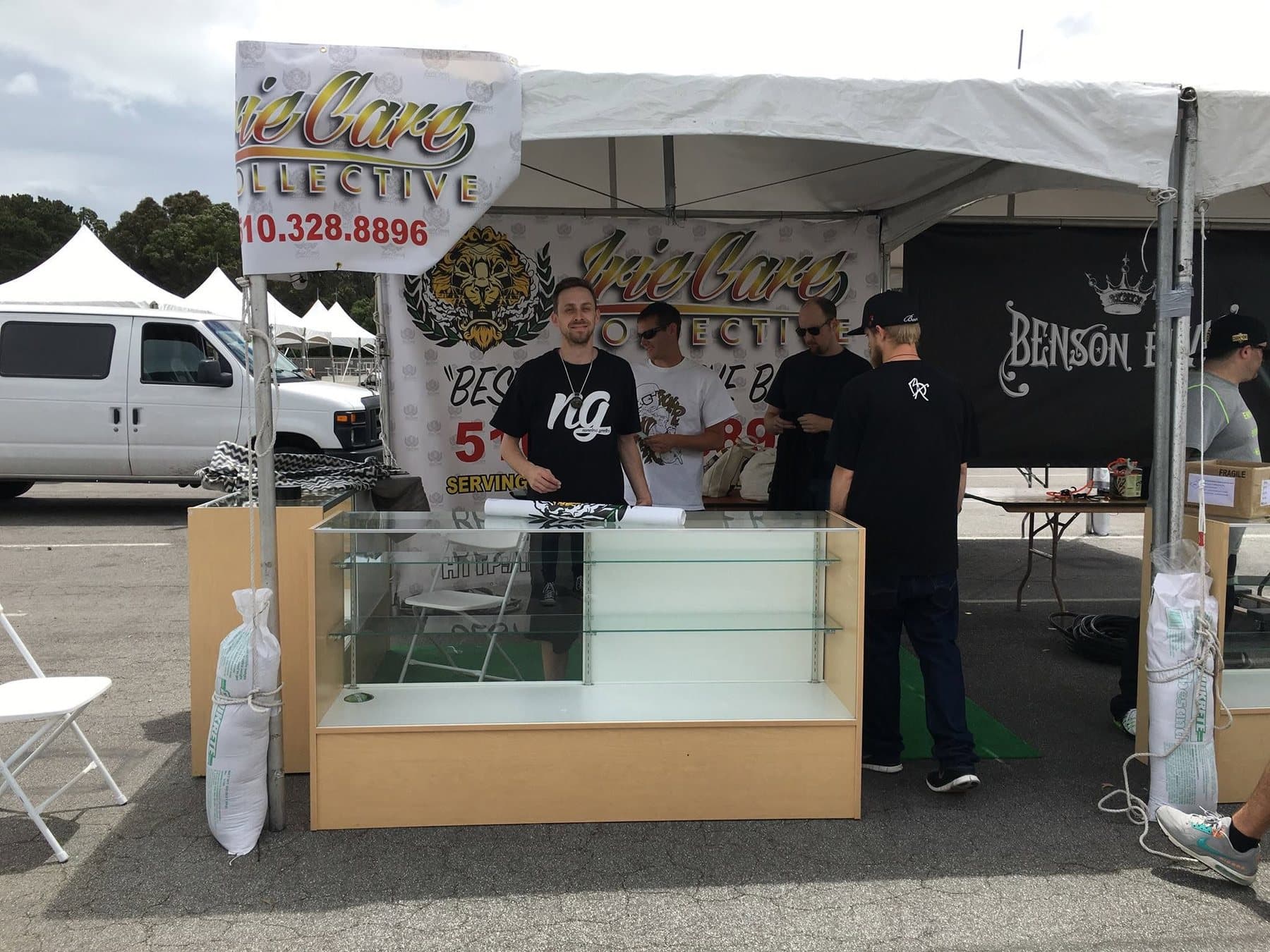
In 2013 he founded Irie Care, a Prop 215 delivery collective, and went straight to the source, buying directly from small Emerald Triangle cultivators instead of distributors and securing exclusive distribution rights. Every batch was independently tested for heavy metals and pesticides before the state required it.
“For me, testing was about trust before it was about compliance,” Hirsch says. “If I was going to recommend a product and put it in somebody’s hands, I wanted to have more information about what they were actually getting. Nobody had to tell us to care about that.”
It changed how he bought, too. “Packaging and marketing can tell you a great story, but I wanted something behind the story.”
Irie Care Collective, later Irie Care Delivery. Oakland, 2013 to 2022.
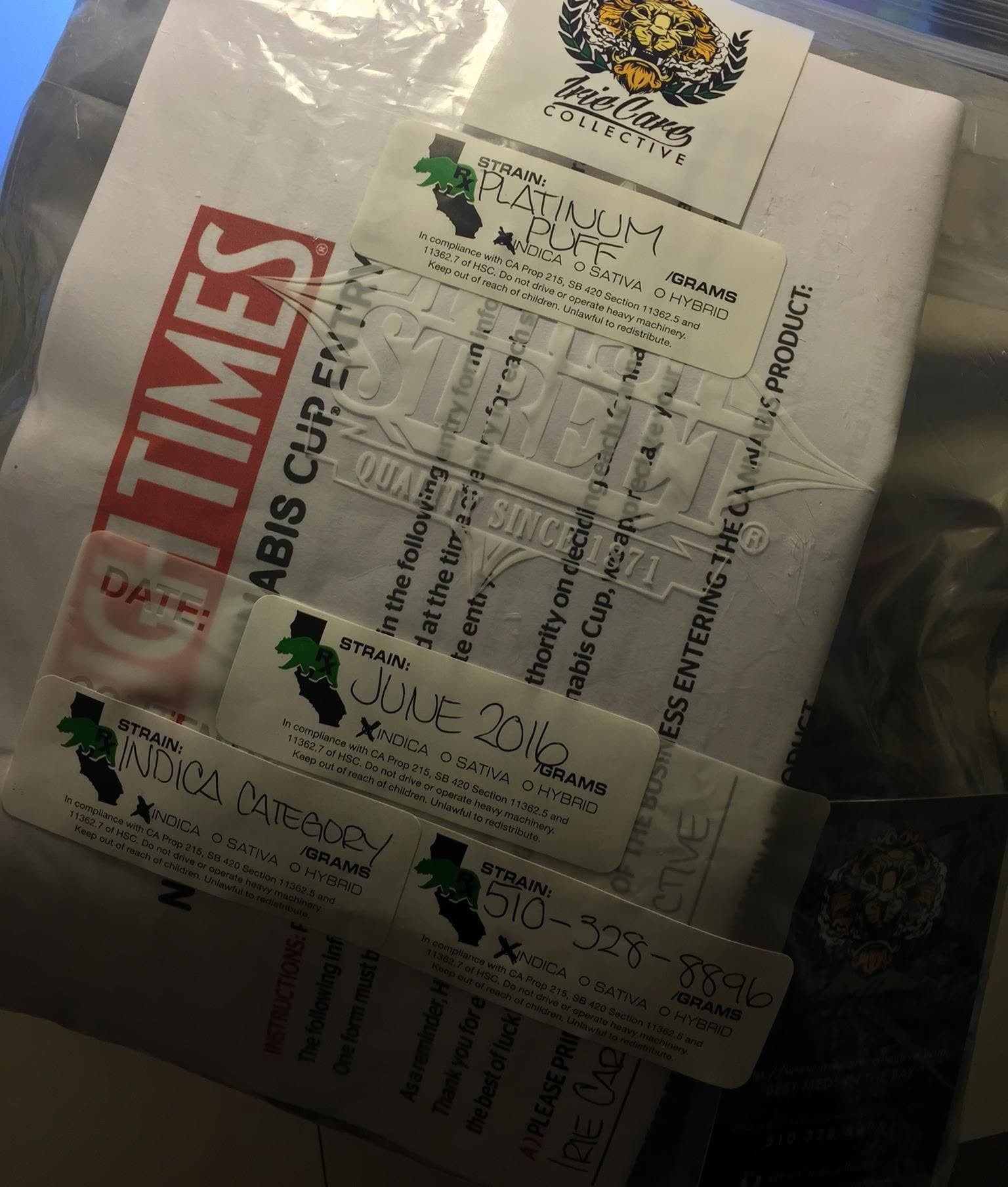
The relationships were the point. Irie Care was the exclusive retailer for Grandiflora Genetics, the Oakland breeders, until Grandiflora signed with Cookies. In June 2016 the two entered the High Times NorCal Medical Cannabis Cup together at the Cow Palace and placed eighth with Platinum Puff in the indica category. The entry bag still exists: Prop 215 labels filled out by hand, an Irie Care lion sticker on the front.
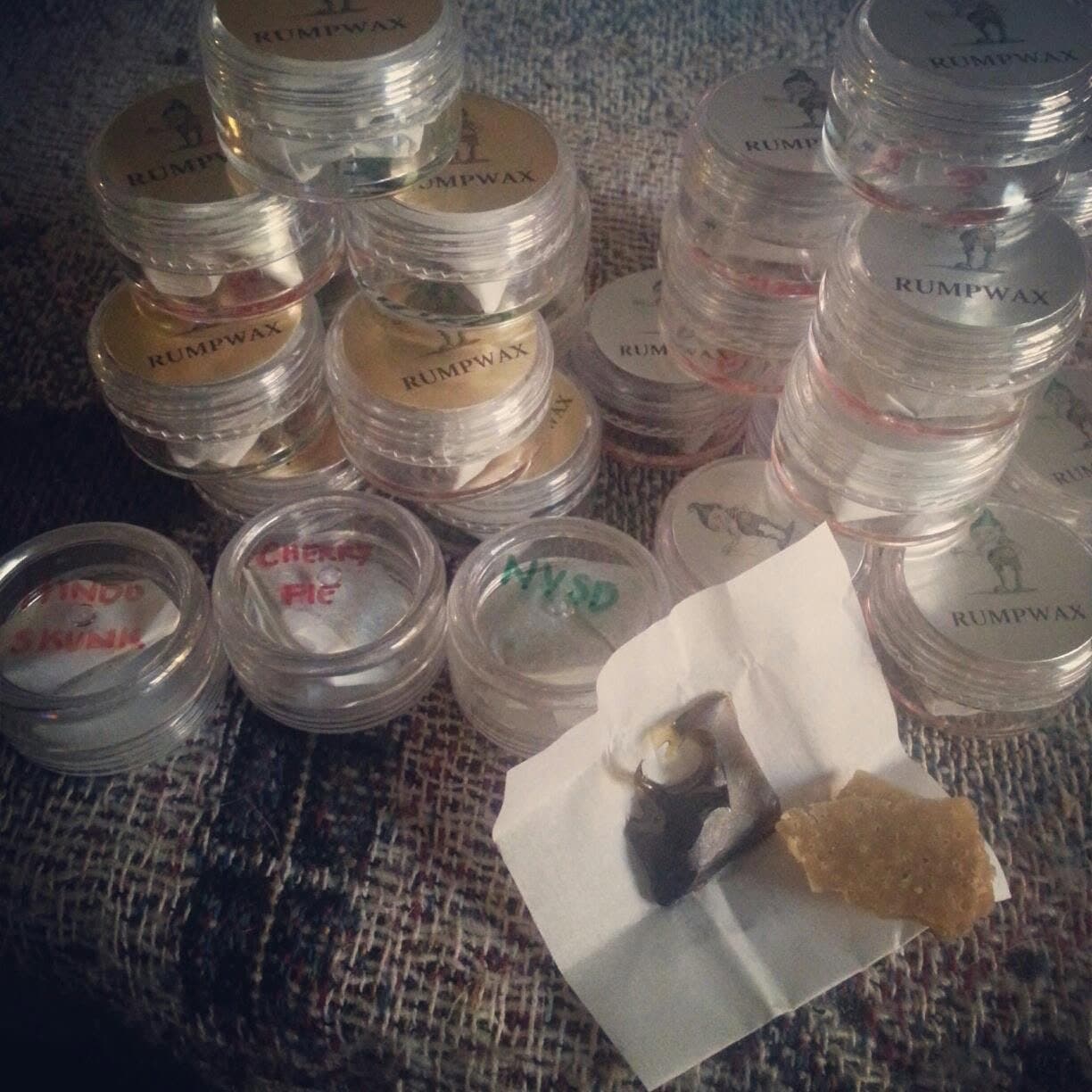
Concentrates were where Irie Care made its name. It was the official Bay Area distributor for Rumpelstiltskin Extracts, the Santa Cruz brand better known as Rump Wax, and carried some of its first batches: small clear jars with a gnome label, strain names written in marker, shatter folded in parchment. Hirsch later moved his own growing outdoors, and that flower became Irie Care’s house line, which included shatter and later rosin.
Routing software cut average delivery time from 90 minutes to 42. Average order value rose from $65 in 2015 to $112 in 2020 as the menu grew into concentrates, edibles and live resin.
If someone trusted us to recommend something and it delivered, they came back.
John Hirsch
“Irie Care taught me that what customers say they want and what they actually buy can be two different things,” he says. “If you constantly chased whatever was newest or most hyped without understanding whether it was actually right for the customer, that trust disappeared pretty quickly.”
Prop 64
Two ads, two markets.
Two Irie Care ads, about two years apart, show what Prop 64 did to the job. The first, from CULTURE Magazine’s April 2016 issue, is a collective talking to patients: Rump Wax, “the cleanest and highest quality concentrates,” a coupon for first-timers.
The second ran on the back cover of the East Bay Express around 4/20 in 2018. The name had changed to Irie Care Delivery, the lion had been redrawn, a temporary state license number sat under the logo, and the deals were on brands customers already knew: STIIIZY and Kingpen, Select, Kushy Punch, buy-one-get-one eighths. Behind the scenes, Hirsch moved the business onto METRC, California’s track-and-trace system, and renegotiated wholesale pricing with growers so the new taxes didn’t all land on customers.


“Before that, California cannabis still felt like a community that happened to be turning into an industry,” he says. “After Prop 64, cannabis became much more structured as a regulated commercial market.”
I couldn’t evaluate something only as cannabis anymore. I had to evaluate it as inventory.
John Hirsch
2022
The end of Irie Care.
Irie Care didn’t end on a spreadsheet. It ended after the third break-in.
The building housed three licensed cannabis businesses, and Hirsch says the landlord was trying to push them out rather than help. Each break-in meant damaged property and stolen inventory. The last one came in the middle of the afternoon. Most of his staff had already quit, worried about their safety. The market wasn’t helping either: prices were falling, and the numbers weren’t working. After the third break-in, he decided to sell.
Irie Care’s licenses, fleet and other assets went to a regional delivery company in 2022. Everyone on staff was paid in full, plus a bonus, and the company closed with no regulatory penalties on its record.
“Closing Irie Care taught me that being good at cannabis and building something people care about doesn’t guarantee that the business survives,” Hirsch says. “Every case you bring into a store represents cash. Every product sitting too long represents cash. Every discount you eventually have to take because you bought too deep comes out of somewhere.”
The company ended, but everything I learned from building it came with me.
John Hirsch
Illinois
Coming home.
Around late 2023, Hirsch came home to Illinois to run purchasing at Socíale in Park Ridge, a menu of roughly 1,000 SKUs in a state where, as he put it on a Flower Expo panel in March 2025, “we can’t see or touch or smell any of the products that we sell.”
“California taught me to understand cannabis, customers, relationships, quality, and culture,” he says. “Illinois has forced me to get much deeper into assortment structure, inventory investment, margin, velocity, price architecture, compliance, vendor strategy, and what every SKU is actually doing for the menu. When you’re managing hundreds of active products, you can’t just ask whether something is good. You have to ask what role it plays.”
On that same Flower Expo stage, he talked about Illinois’ coming switch to Metrc, the tracking system he had moved Irie Care onto seven years earlier. “I worked with it in California,” he told the room, “and I think it’s a great system.” That summer, Illinois made the switch.
2026
Why ProcureCulture.
“Because I couldn’t find enough cannabis content written from where I actually sit,” Hirsch says. “There is endless content about brands. But there isn’t nearly enough about what happens on the other side of that conversation. What does the buyer actually see? Why does one product get the shelf and another one doesn’t? Why does a great product sometimes get cut?”
“I want to talk about the products because I still love the products. I want to talk about the people because relationships are still a huge part of this industry. But I also want to talk about the numbers, the decisions, the mistakes, the technology, and what actually happens behind the buying desk.”
It’s the culture of cannabis seen through procurement.
John Hirsch
Q&A
From the buying desk.
Five answers from Hirsch’s written Q&A, lightly edited for length
How do you decide whether a product gets on the shelf?
I don’t look at a product in isolation. First I want to know whether there’s actually a place for it in the assortment. Does it fill a missing brand, price point, size, format, quality tier, or customer need? Or am I just adding another SKU that looks almost exactly like five things I already have?
Then I look at the numbers: historical sales if we’ve carried the brand before, category velocity, comparable products, margin, cost, current inventory, days on hand, and how much money I’m putting at risk. Then the customer side: is the brand creating demand, are customers asking for it, does it give us something competitors around us have that we’re missing? And then the vendor. A great product with a bad vendor relationship can still become a problem.
The goal isn’t to have the most SKUs. It’s to have the right assortment.
What makes a vendor easy to work with, and what’s a red flag?
The easiest vendors understand that purchasing is a partnership. They know their inventory, communicate clearly, understand their own sell-through, follow through on credits and commitments, and look at how their products are actually performing instead of just asking for another PO.
A red flag is when every conversation immediately becomes about getting an order. If I’m telling you I have aging inventory, a pricing issue, missing credits, or products that aren’t moving, and your answer is still “So what can we get you for this week?”, we’re probably not having the right conversation.
What’s a buy you got wrong?
I’ve absolutely bought too deep before. You believe in the product, the brand is excited, maybe the pricing looks good, and suddenly you have more inventory than the actual demand supports. Then you’re aging product and discounting it deeper than you ever intended just to get your money back out of the shelf.
Those buys taught me not to confuse a good deal with a good buy. If I’m buying inventory I don’t need, I didn’t save money. I spent money.
What do brands misunderstand most about buyers?
A lot of brands assume buyers are deciding whether we like their product. That’s only a very small part of it. I can personally love a product and still not have a place for it on the menu.
So when a brand says, “Our product is amazing,” my next question is basically: okay, where does it fit?
How do you use AI, and where don’t you trust it?
AI has become part of my actual buying workflow, not just something I use to write emails. I use it to help analyze sales data, identify assortment gaps, look at inventory health, compare products and vendors, research competitors, and pressure-test my thinking. I’ve also been building MenuGuard around a lot of the same problems I deal with as a buyer.
But I don’t trust AI to invent missing information. If the cost isn’t in the data, don’t guess the cost. If two reports conflict, tell me they conflict. AI gets dangerous when a confident answer starts looking like a verified answer.
Sources
Film credits: IMDb and Google Play listings for California, 90420 (2012). Screening: NBC Bay Area, April 19, 2012. Weedtracker: LA Weekly, August 3, 2007. Rick Pfrommer: Cannabis Now author biography. Aundre Speciale and CBCB: Berkeley Scanner, August 20, 2026. Cannabis Cup dates: High Times. Illinois Metrc switch: Illinois Cannabis Regulation (cannabis.illinois.gov). Panel quotes: Flower Expo SESHES, “Navigating the Illinois Retail Market,” Chicago, March 25, 2025. Everything else comes from Hirsch’s own records, photos and answers.
Disclosure
The subject of this profile is ProcureCulture’s founder and editor. He is the purchasing manager at Socíale Dispensary in Park Ridge, Illinois. MenuGuard is his own product. No brand or company named here paid for or reviewed this piece.